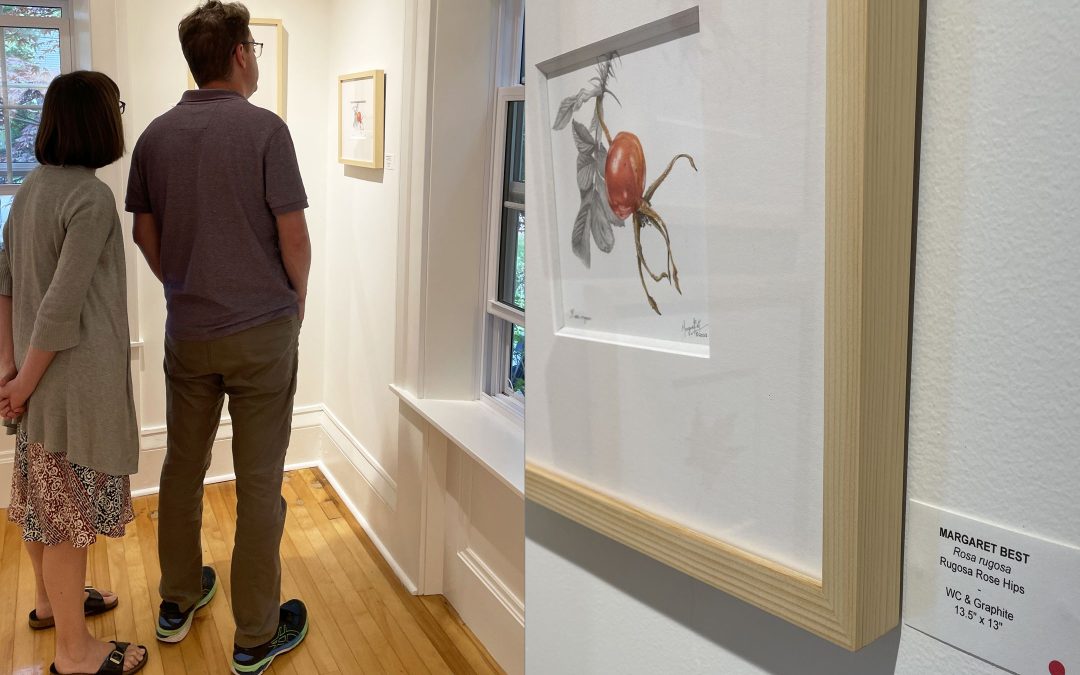
Recently, a fellow botanical artist sent me a quote she found on social media. It’s expressed as a reminder to a potential buyer of art as to what they are really buying. “When you buy a piece of art from an artist, you are buying hundreds of hours of failures...
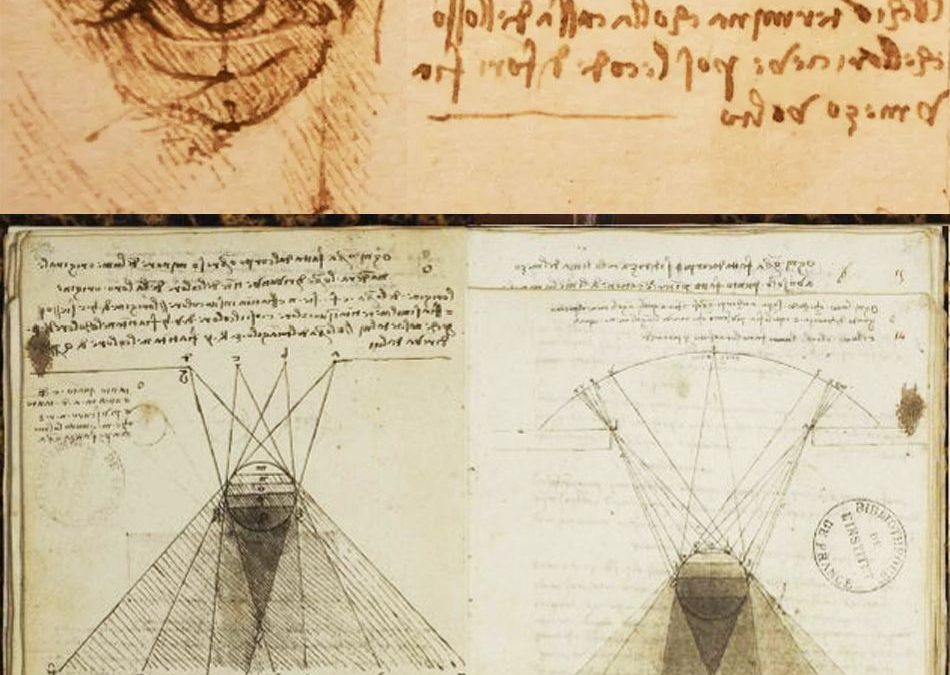
As many artists who have studied with me over the years know, I have long been fascinated by Leonardo da Vinci’s seamless connection between science and art. My own interest is no doubt heightened by a shared love of geometric forms—especially the circle and the...
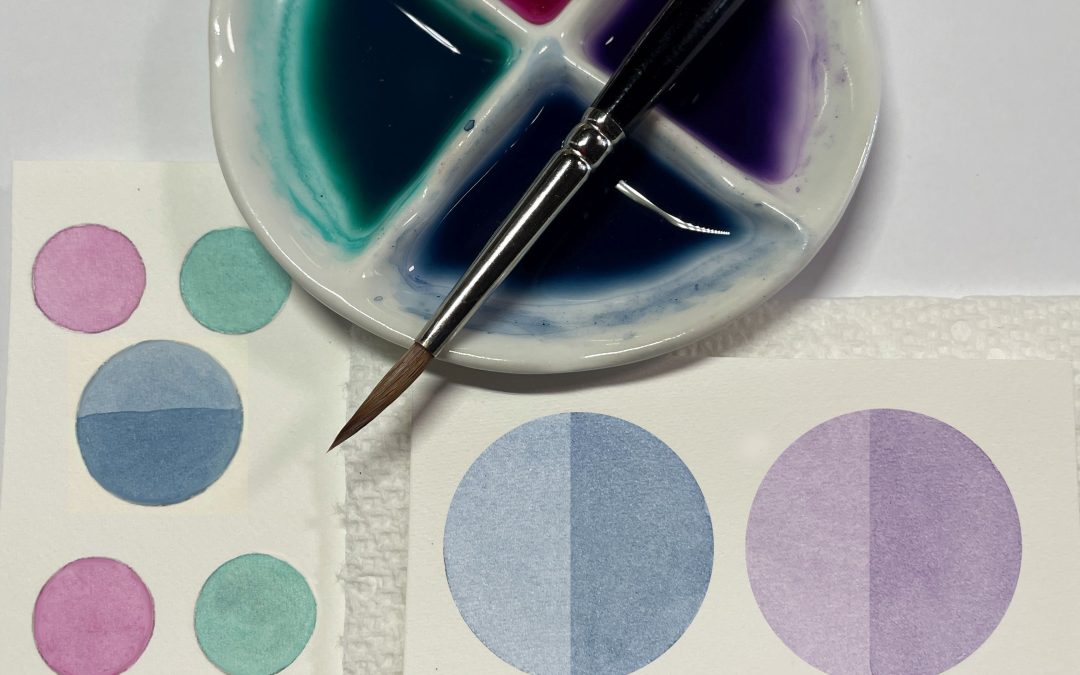
Recently, while scrolling through Instagram, I came across an artist mixing oil paints on a palette with a palette knife. He had three blobs of pigment: PG7 Phthalocyanine Green, PR122 Quinacridone Magenta, and PW6 White. He began blending some of the Quinacridone...
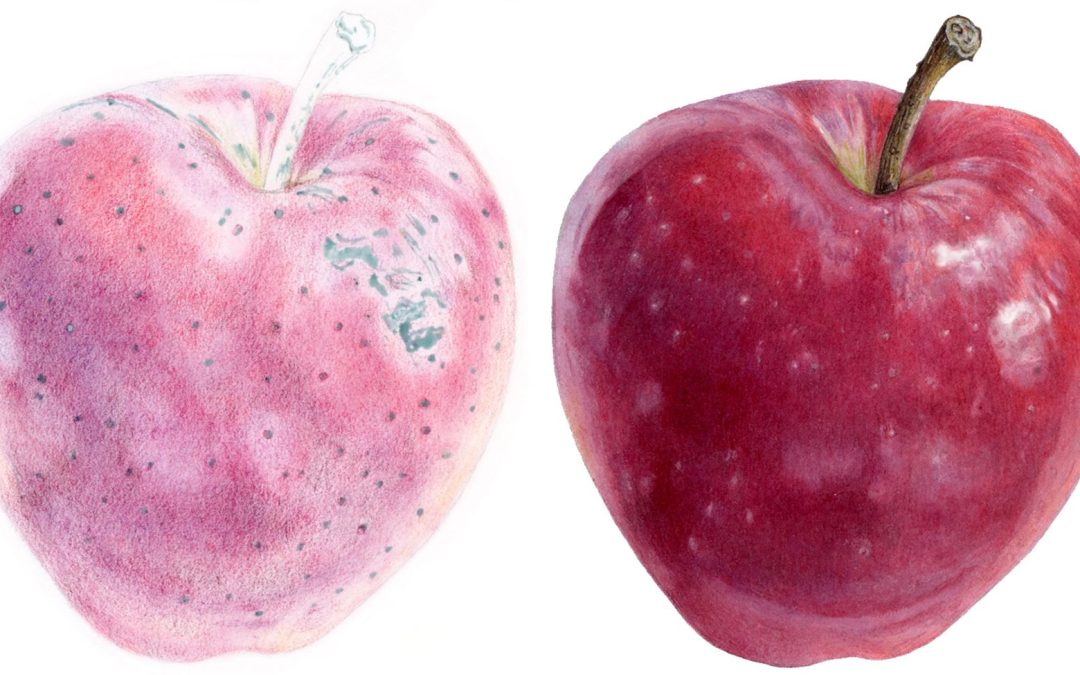
It’s quite common for a botanical artist to reach a stage in a plant study where the effort invested in a developing piece appears to fall short of the anticipated results. One can experience a sense of inadequacy at the apparent lack of progress with the result that...
For much of 2025, in my teaching and e-booklets, I have focused on the fundamental techniques required in botanical art in the three mediums I use in my own practice, graphite, coloured pencil, and watercolour. My workshop participants spent a lot of time creating...